

/file/attachments/orphans/tonyEIA1krantzkloofphotoAndrewMckay_112451.jpeg)
/file/attachments/orphans/tonylithium1heavyweightindustrialeqipmentatHighburylithiummineImageBarloworldEquipmentSouthernAfricafacebookpage_205743.jpg)


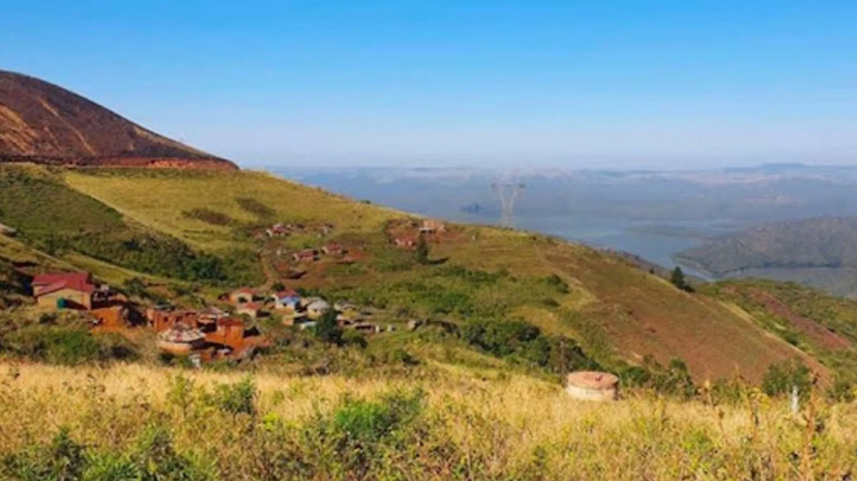


The Musina Makhado Special Economic Zone (MMSEZ) was in the news again this past week, and once again, for all the wrong reasons. A huge public outcry followed when reports emerged that permission had been given to the developers of this controversial project to destroy thousands of protected trees.

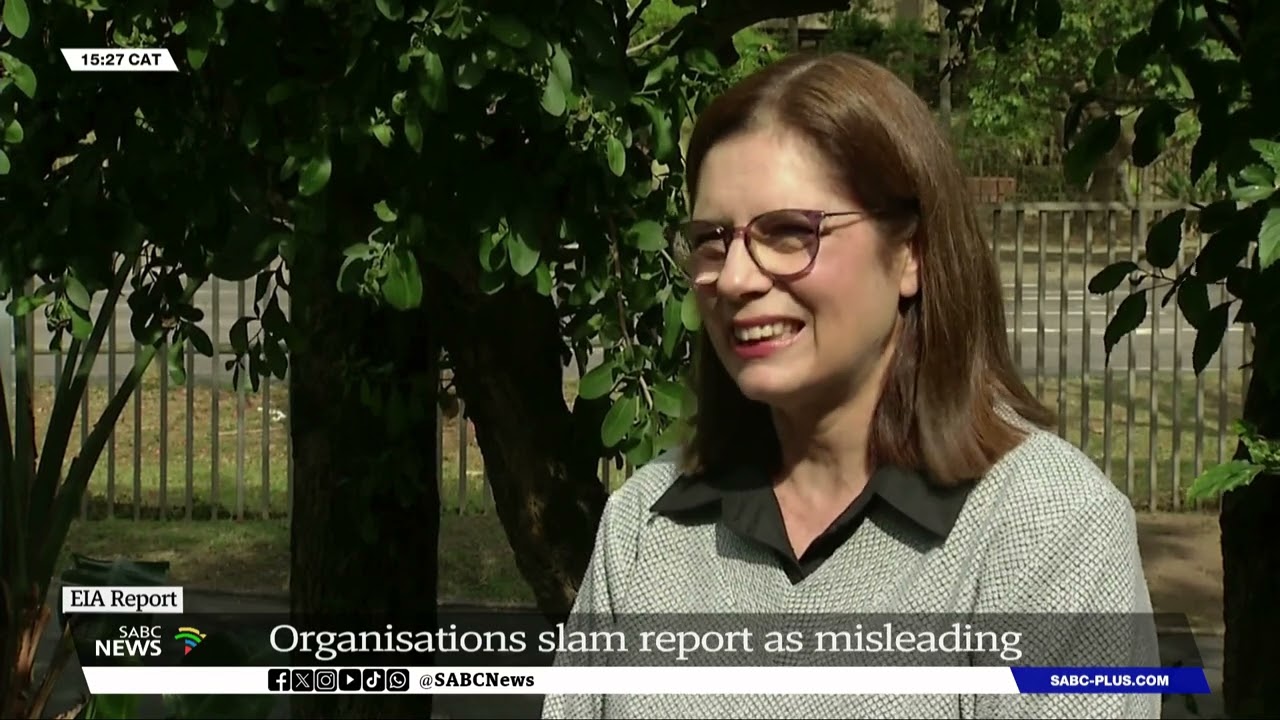
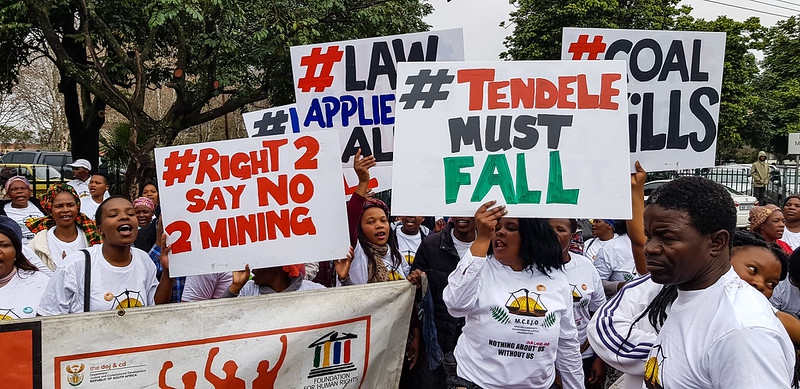
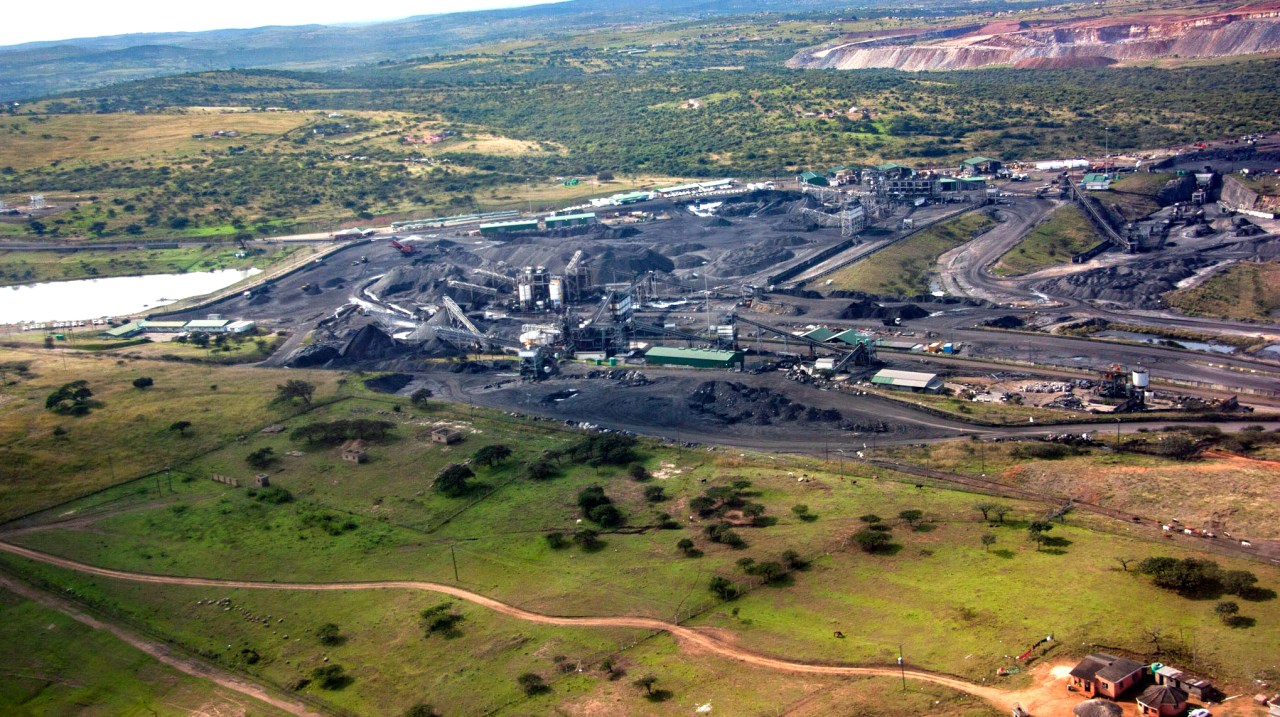
This is contained in their comment on the draft report released by Petmin-owned Tendele Coal Mining for public comment. This EIA process has taken 27 months after the mining group's 2016 licence extending their mining rights in the area, was set aside by the Pretoria High Court in 2022.
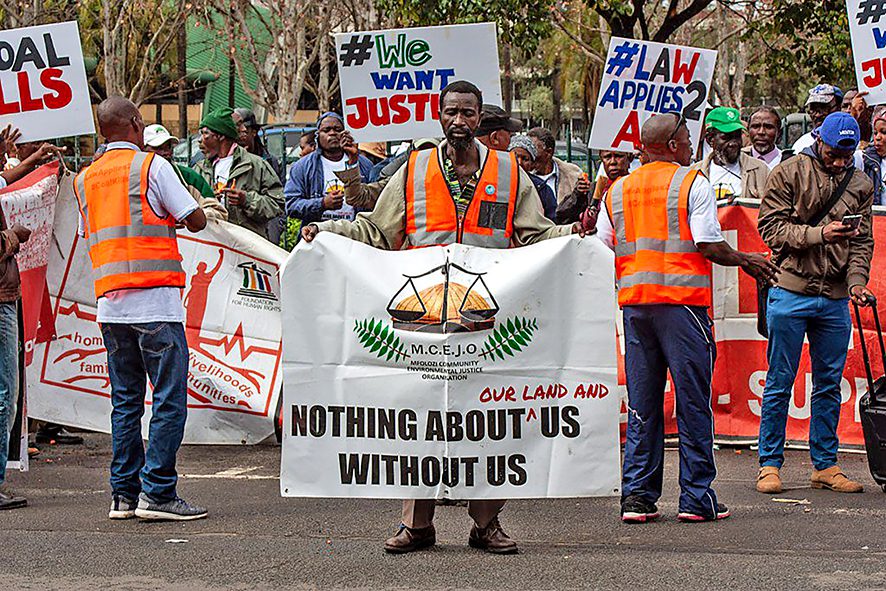
The community-based Mfolozi Community Environmental Justice Organisation has been opposing Tendele's mining operation at Somkhele for years. Senior Reporter, Jayed Paulse filed this insert.

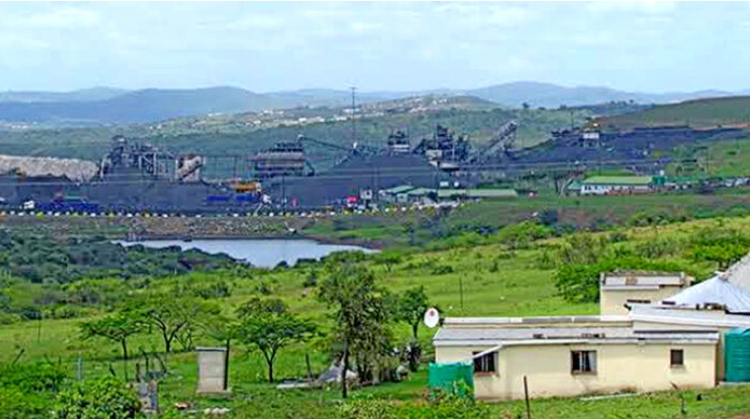
The company faces opposition to developing an open-pit iron-ore mine and a processing facility in the foothills of eMakhasaneni under the Mthonjaneni local municipality.
The project was halted in 2016 following strong opposition from residents and various environmental rights organisations.





















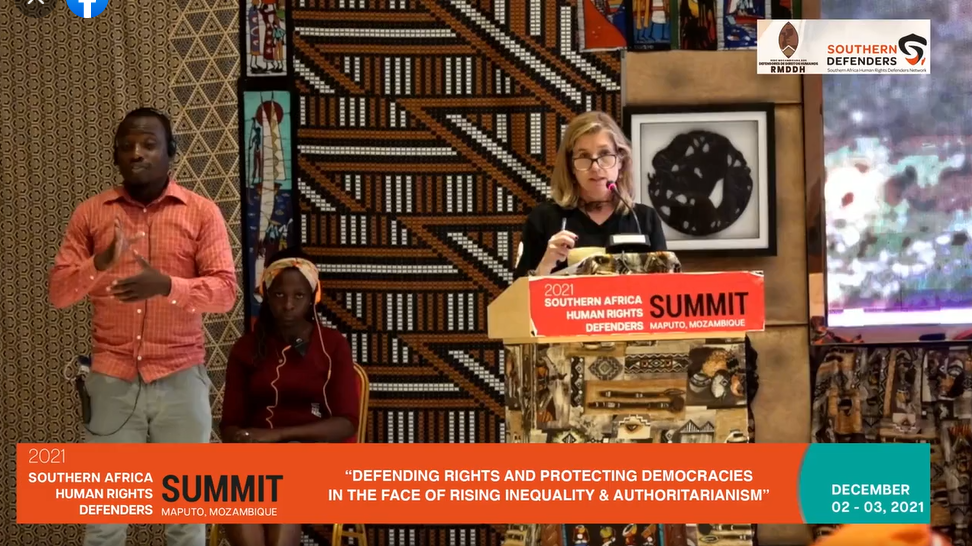
IN THE FACE OF RISING INEQUALITY & AUTHORITARIANISM”







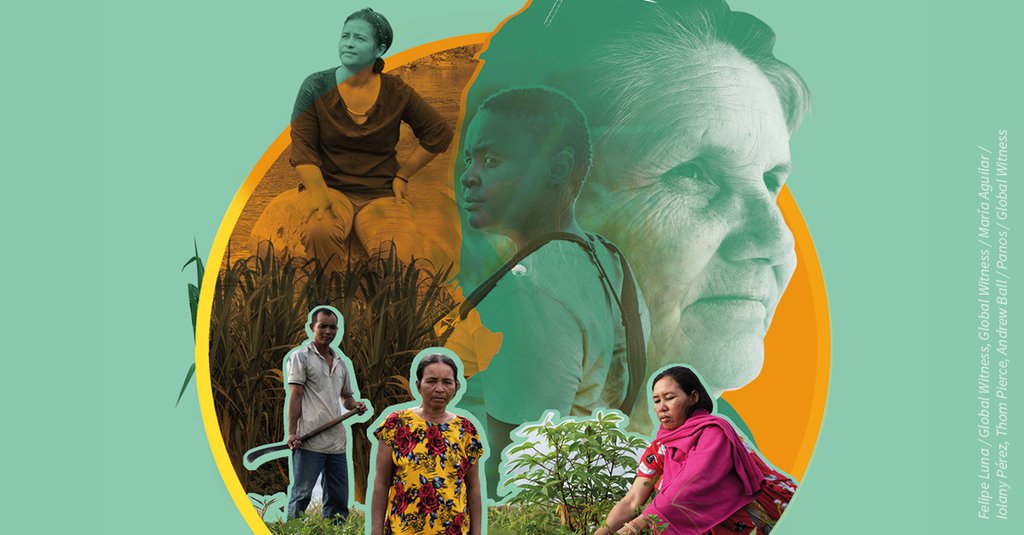


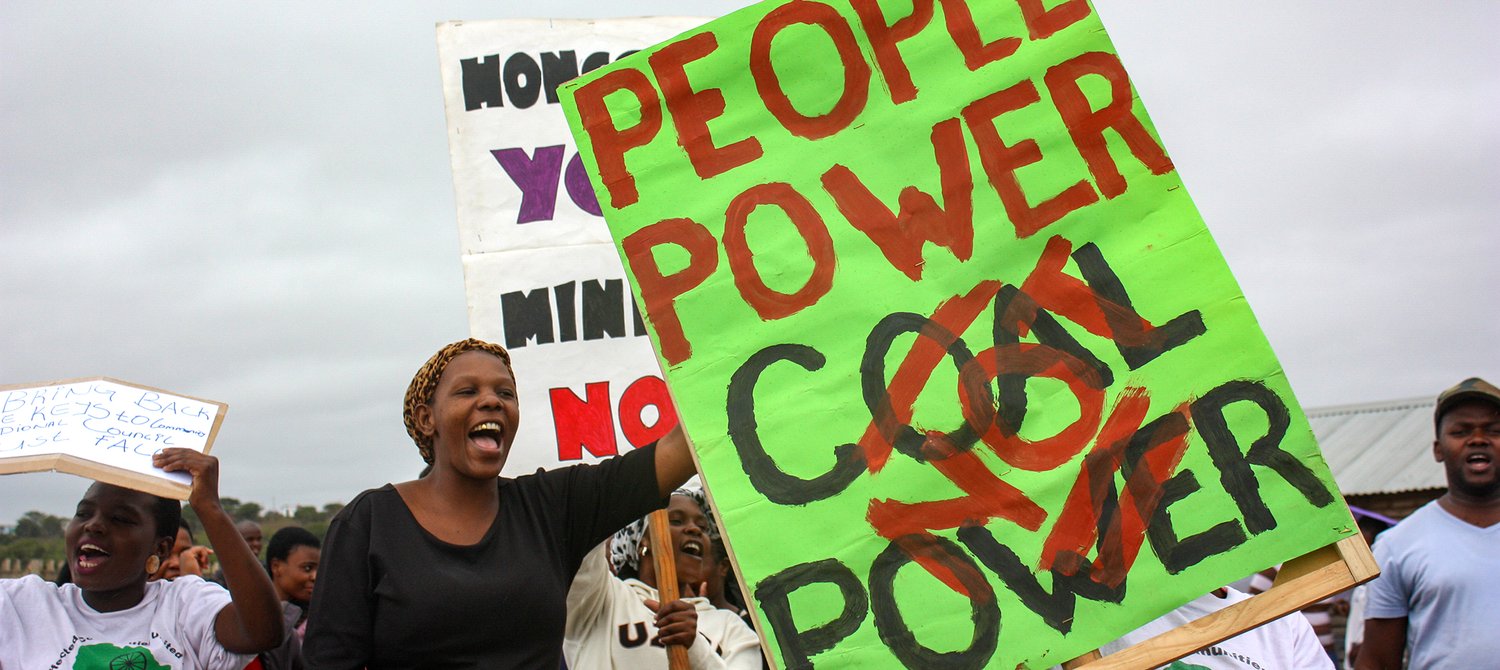
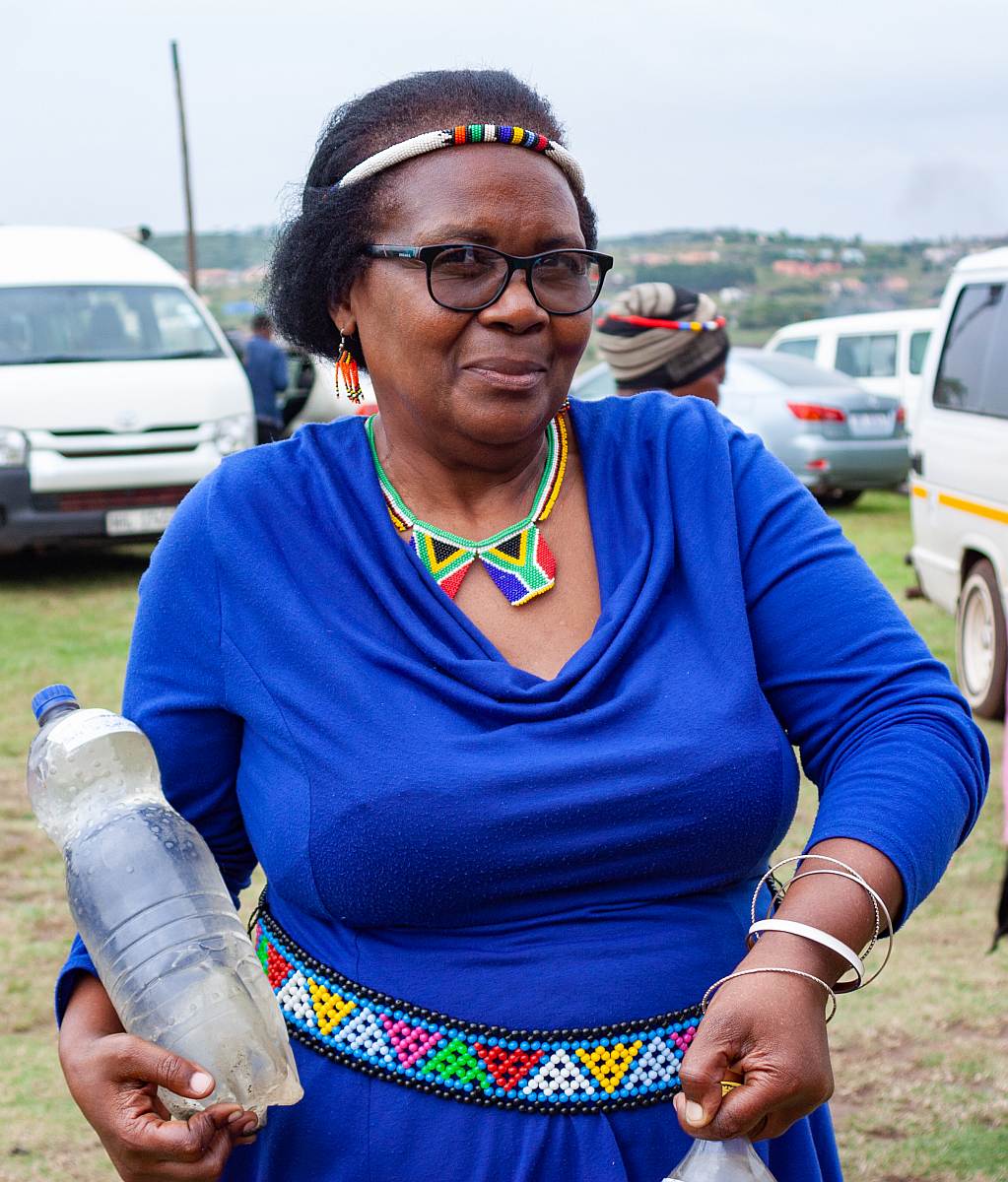
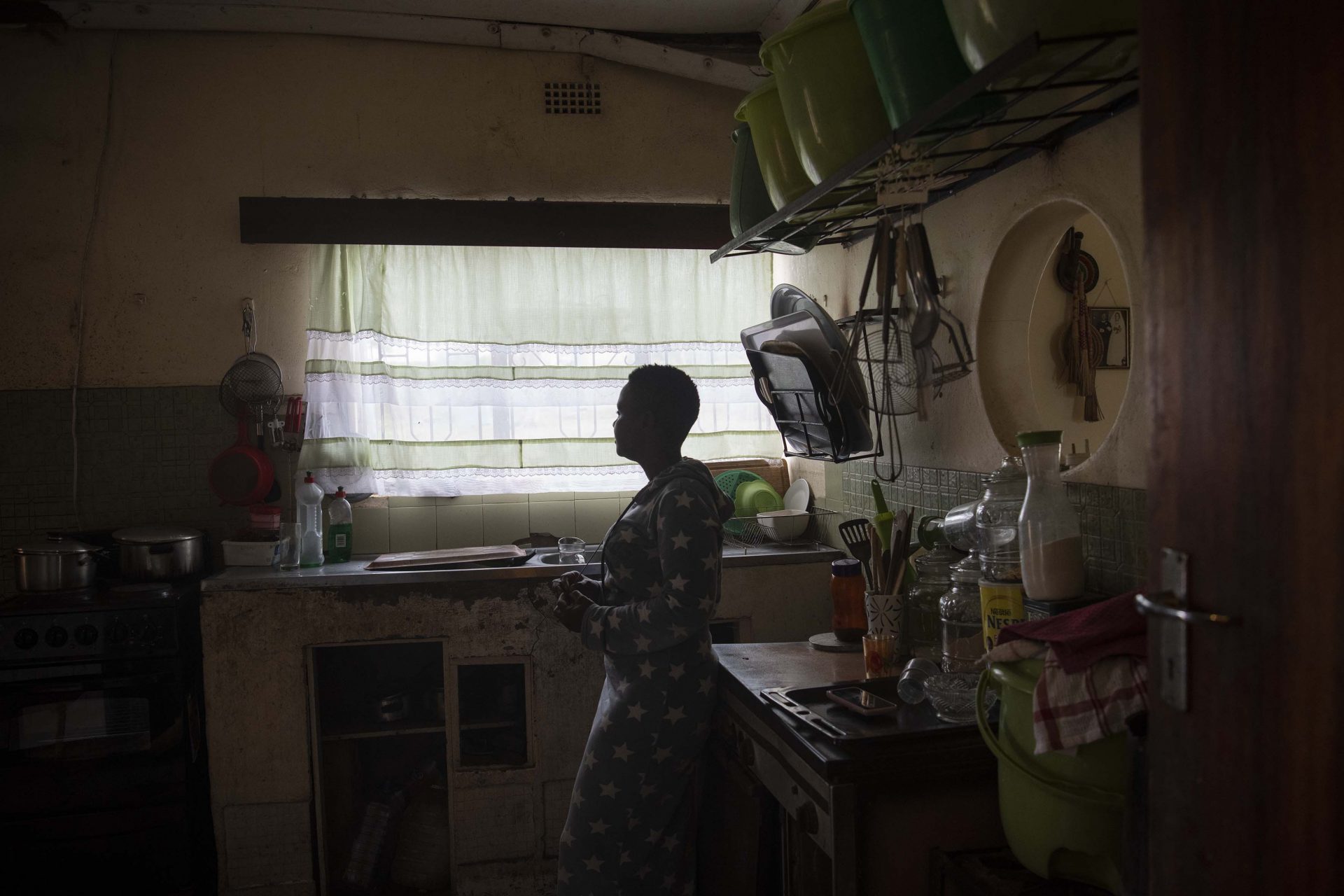

Looking Back on 2024
LOOKING BACK ON 2023

#Mpungose: A community-driven response to climate change

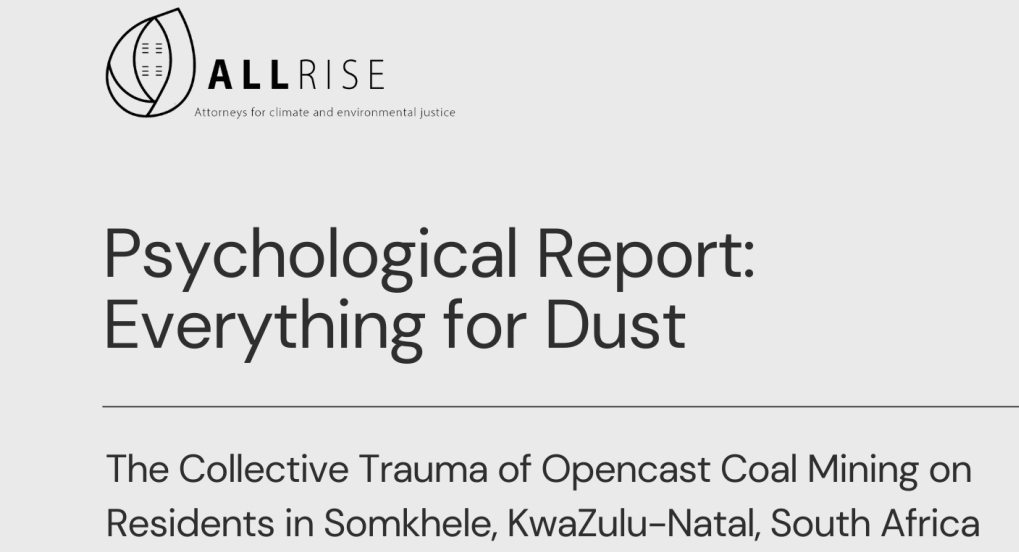
Psychological Report released highlighting the mental health harm to communities living next to open-cast coal mine
August Newsletter: The Start Of Women’s Month Brings Good News!
Baobab Bomb: Carte Blanche investigation on MMSEZ
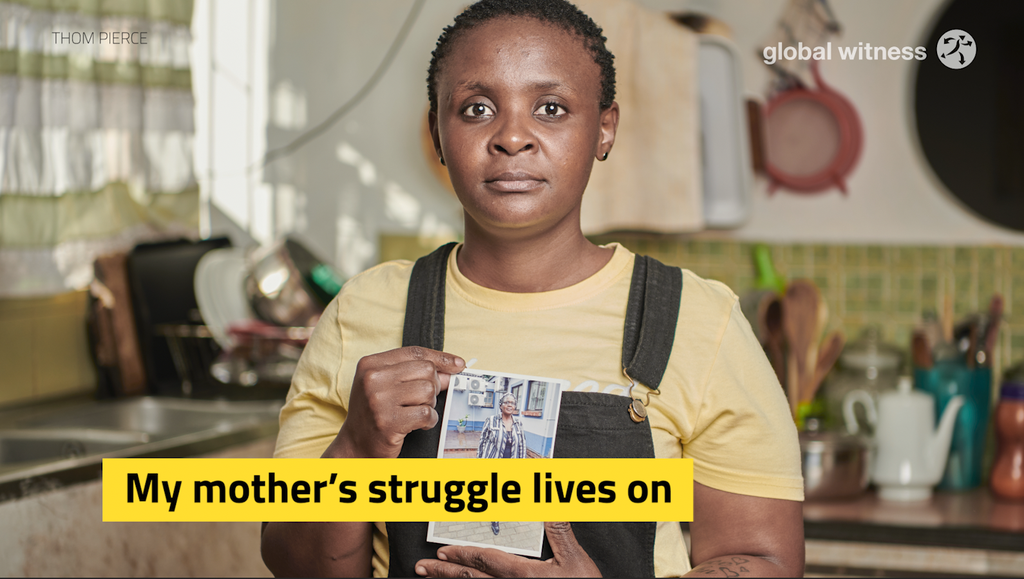
The Gooseberry Grandmother’s Daughter
SABC News: Limpopo | Plans to strip away protected flora
50|50 Documentary – ZAC pollution dam breach
50|50 Documentary – ZAC Mining
50|50 Documentary – Hluhluwe-iMfolozi threatened by mining
50|50 documentary on the mining threat to Hluhluwe-iMfolozi
Environmental Impact Assessment (EIA) Guide in English and isiZulu
EIA GUIDE English & isiZulu (71 pages colour) .pdf
EIA GUIDE English & isiZulu (71 pages black & white).pdf
EIA GUIDE SUMMARY English & isiZulu (32 pages) (can also be printed as black & white A5 booklet)
Everything for Dust Webinar – 25 October 2022
On 25 October 2022, we held a webinar which released the report entitled ‘Everything for Dust: the Collective Trauma of Opencast Coal Mining on Residents in Somkhele, KwaZulu-Natal’, with the content of the report as well as the line-up of speakers, attracting participants from South Africa and around the world.
When we began working with our clients on the border of Tendele Coal mine in northern KwaZulu-Natal in 2016, we could not help but notice their extreme feeling of hopelessness and fear. A sense of brokenness prevailed. There was, and continues to be, a desperate need for awareness of and assistance given to those in psychological need. In many areas of the country and around the world, there have been reports and discussions about the physical impacts of coal mining. What has been less dealt with, and not much at all in South Africa, is the psychological impact of coal mining on mining-impacted communities.
Dr Garret Barnwell, Dr Dineo Skosana, Dr Asanda Benya and Dr Michael Edelstein presented on loss, psycho-social impact, the cultural significance of burial in the Zulu culture, environmental harm and they all agreed that the impacts of mining on communities are extremely harmful, on-going and collective. Dr Barnwell’s report was specific to the people he interviewed and covered the historical and current trauma that the participants had and continue to experience as a consequence of their proximity to open-cast coal mining. One of the causes of the mental distress discussed in detail during the webinar was institutional betrayal where those who are responsible for protecting communities (e.g., Tendele mine, government, traditional leadership and local authorities) are perceived as perpetrating wrongdoings, neglecting or scapegoating those who raise complaints and are perceived as not responding appropriately to the (chronic) traumatic and stressful incidents.
In commenting on Dr Barnwell’ report, Dr Skosana referred to her own research that she did in the same community – the cultural significance of graves and the horror that occurs when deceased loved ones are exhumed and reburied during relocation processes. Dr Benya spoke about her research done in relation to mines (including Tendele), violence and gender – with women being so significantly burdened. Dr Edelstein’s fifty-year career in psycho-social impacts, including his report on Somkhele in 2018, brought the discussion together and concluded with the high praise of All Rise as being ‘out in front’ in the field of psycho-social impact assessments.
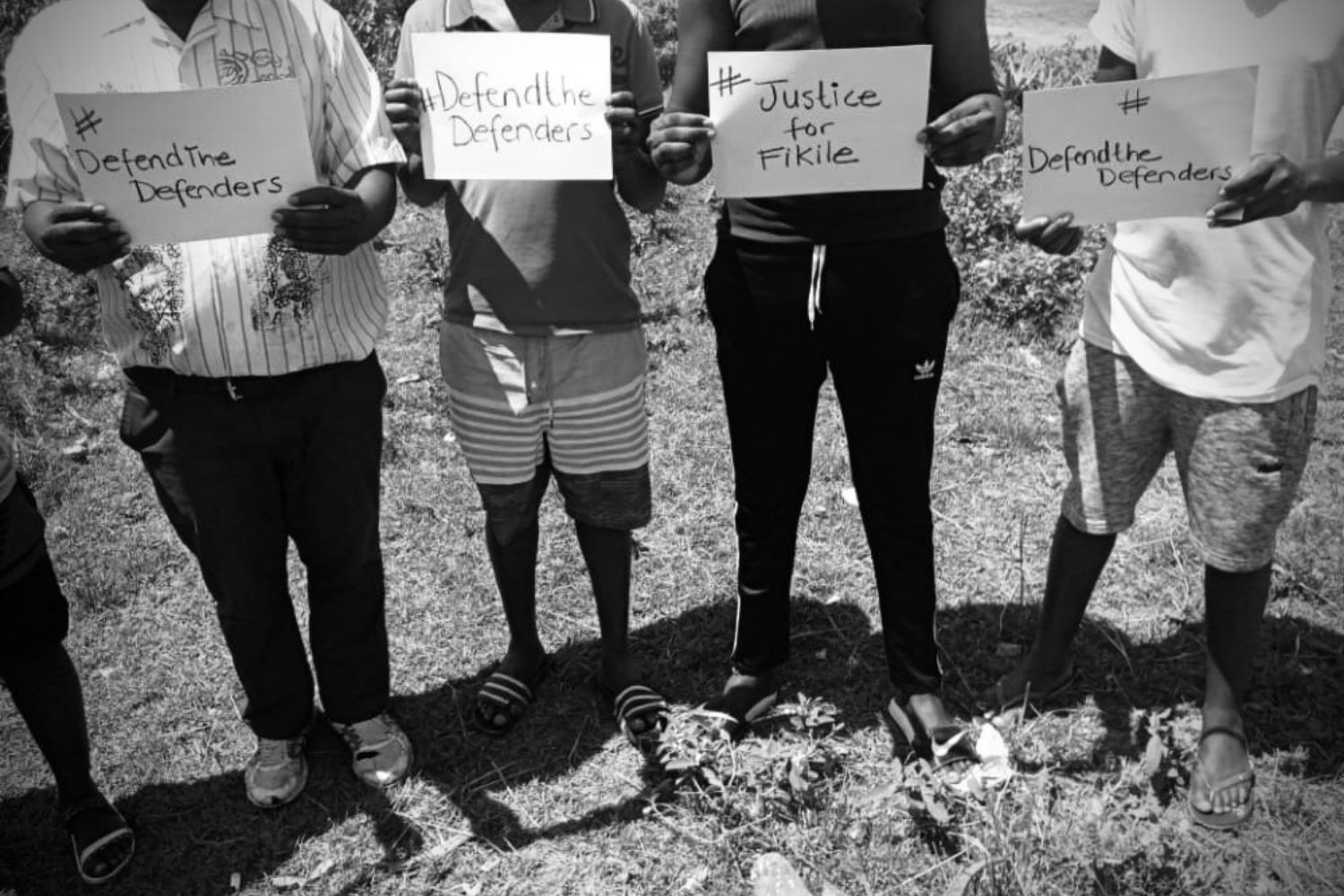
Defending the Defenders – 22 October 2020
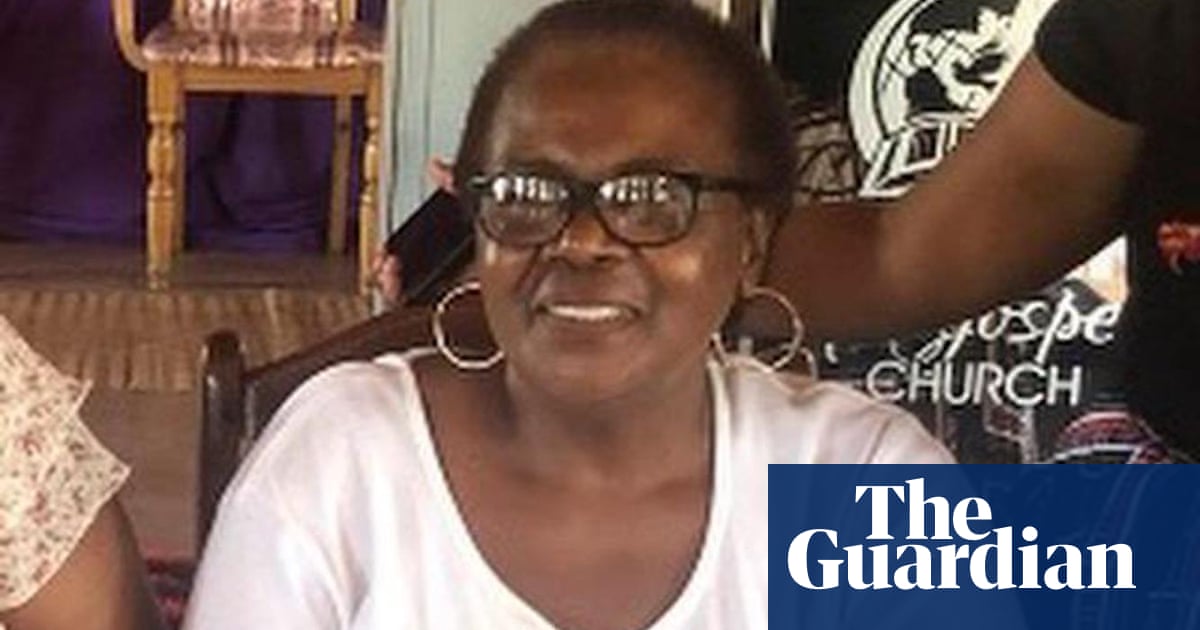
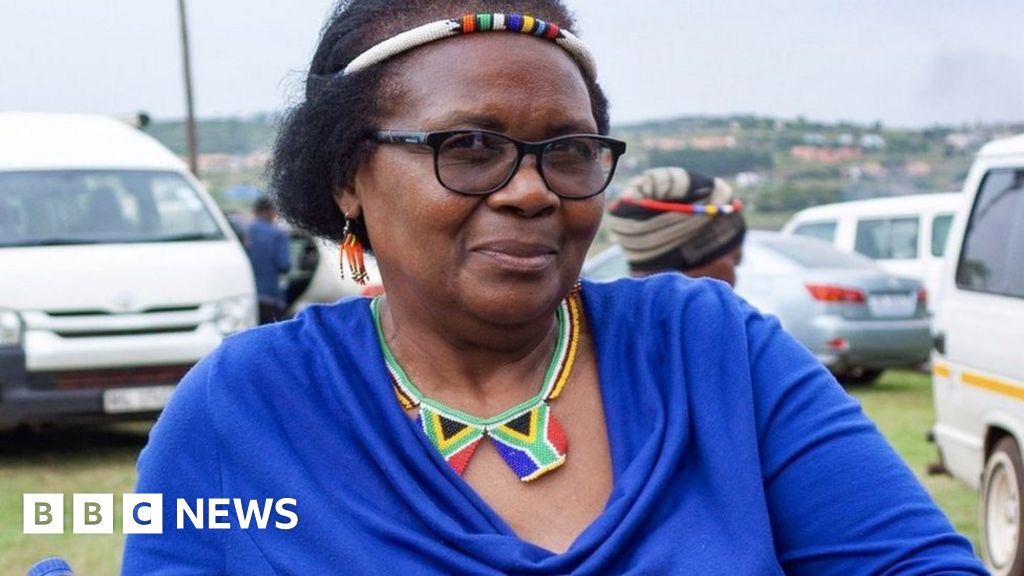
On October 22nd 2020, Fikile Ntshangase was at home with her grandson Buyile in Ophondweni, Kwazulu-Natal province, South Africa. Three unknown men arrived and shot her dead in her living room.
Fikile was a mother and grandmother, a campaigner, and a leader, who had been opposing the extension of Tendele Coal mine in Northern KZN.
The problem extends far beyond South Africa. Last year, Fikile was one of 227 people around the world who lost their lives in 2020 defending their homes, their land and livelihoods, and the ecosystems we all depend on. Environmental defenders have the right to be protected, the right to protest and the right to justice and accountability. Yet we see time and time again that their rights are ignored in favour of corporate interests and industry.
In 2021, on October 22nd , and Saturday October 23rd, colleagues and members of the public will join Fikile’s family and the Mfolozi Community Environmental Justice Organisation (the community organization that Fikile was part of), in a day of action and a day of remembrance.
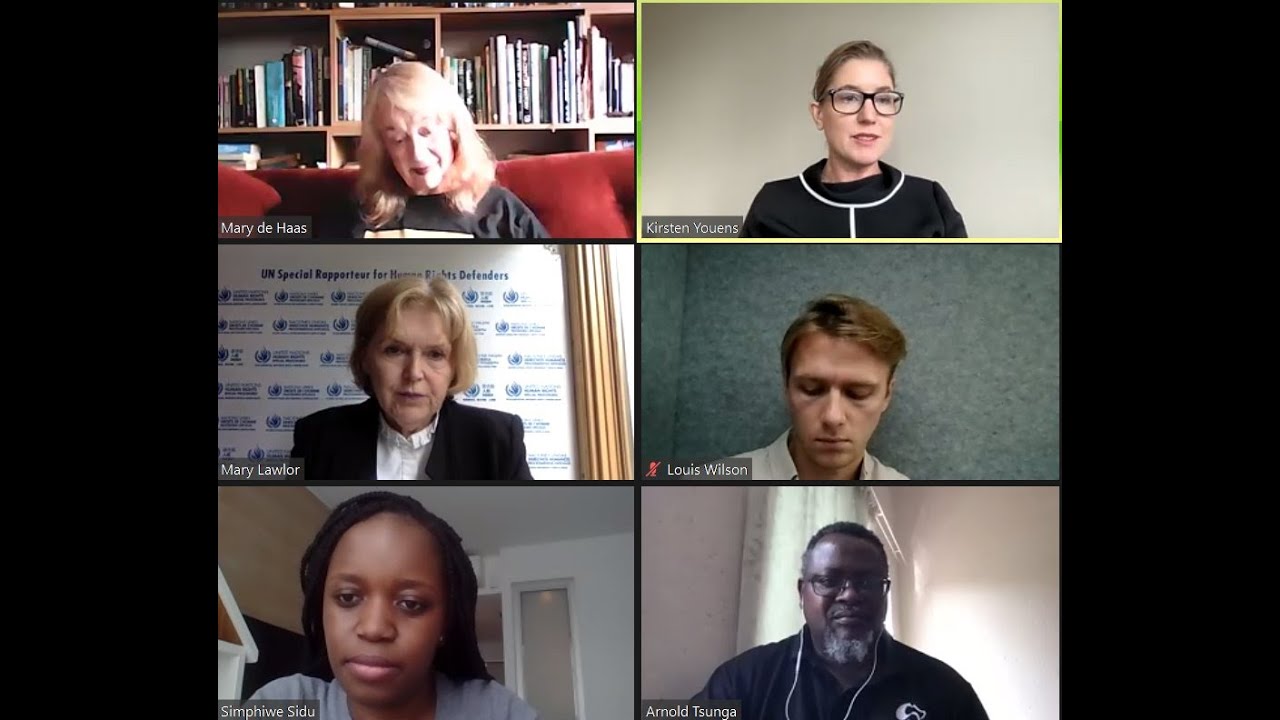
Here is the Webinar held with Kirsten Youens, Arnold Tsunga, Mary de Haas, Louis Wilson, Mary Lawlor and Rowan Williams where we discuss local and global issues and how we defend the defenders. Facilitated by Simphiwe Sidu.