The wheels have come off at scoping. Jindal will be starting its EIA for a fourth time.
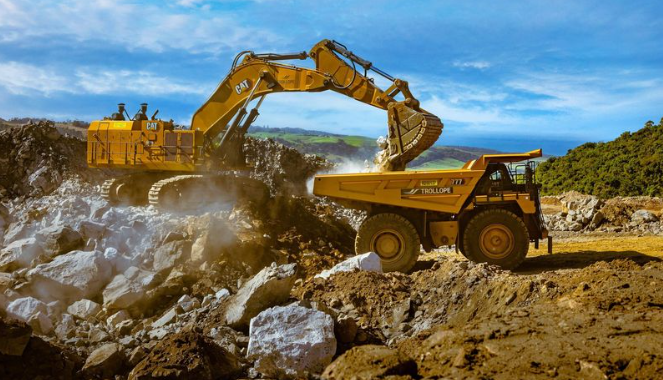
The Department of Mineral Resources and Energy has directed Jindal and its environmental consultant TCIR to redo the first step of the EIA process again. This will be Jindal’s fourth attempt at securing environmental approval for its massive 26 000 ha, R38 billion iron ore project located 300 km east of Melmoth and extending all the way south to the Nkwaleni Valley near Eshowe in KwaZulu Natal.
In 2016, Jindal withdrew its application for environmental authorisation, citing low steel prices. The community, which has fiercely objected to the project since its announcement in 2011, claimed this as their victory. Either way, Jindal was not going away and, in early 2022, appointed the large consultancy firm SLR to submit a new application. The EIA report was finally submitted to the Department in October 2023 in which SLR recommended that the project be approved despite recording 15 pages of significant gaps in the specialist reports.
On 29 January 2024, the Department in deciding Jindal’s application refused authorisation, citing too many gaps in the specialist reports and flaws in the consultation process, a decision strongly supported by interested and affected parties (I&APs) who had raised these concerns in the EIA process.
In recording the reasons for its decision, the Department stated that “[t]here is limited information in which to make a positive decision. By applying holistic and defensible decision making, taking cognisance of the precautionary principle and in line with the Department’s mandate, the Department’s decision to refuse is in line with the obligation in terms of Section 24 of the Constitution. The Department is mandated to protect the environment for present and future generations.”
No environmental authorisation means no mining right and no mining.
In response, Jindal withdrew its initial mining application and resubmitted a new one for an even bigger area, to include an additional 5 617 ha for a tailings dam right in the middle of highly productive commercial agricultural land in the Nkwaleni Valley. Jindal also appointed a new environmental consultant, TCIR, to start the EIA process afresh. Without notifying all I&APs, including those who had registered and actively participated in the previous EIA, TCIR embarked on a very hurried Scoping process and put out a substandard draft Scoping Report, the final version of which was submitted in August to the Department for acceptance without waiting for public comment.
All Rise Attorneys for Climate and Environmental Justice, a law centre based in KwaZulu-Natal, has been representing the South Durban Community Environmental Alliance (“SDCEA”), the Nkwaleni Water User Association (“NWUA”) and the Nkwalini and Surrounds Supporting Sustainable Rural Development community organisation since 2023.
Having failed to engage with TCIR, All Rise submitted a complaint to the Department asking for the application to be refused based on the defective Scoping process. The lawyers also requested that their clients be afforded a hearing with the Department so they could put their grievances directly to the officials overseeing the application process. These grievances include the longstanding conflict in the region, which claimed two lives in 2024 and forced several community activists into hiding.
In response to All Rise’s complaint, the Department has directed Jindal and TCIR to redo Scoping, setting 3 March 2025 as the deadline for the submission of the final Scoping Report. However, this time, the process must include all I&APs previously registered and make the report available in isiZulu.
In the same letter, the Department refused the community a hearing, stating that it was premature now that the Scoping process would be done over and that it lacks the competence and mandate to address the aspects of violence and criminality.
“Not so,” says Janice Tooley, an attorney at All Rise. “We won’t be brushed off so easily when lives are at stake, and the law requires otherwise. We have written again to the Department, requiring that they issue a directive to Jindal and TCIR to apply the Section 24J Public Participation guidelines published under the National Environmental Management Act. These guidelines require that where there is a high degree of conflict, additional consultation is needed to ensure that consensus is reached among I&APs and that issues of conflict are addressed effectively. Thus, addressing conflict is very much within the ambit of the regulated EIA process and the Department’s competency and mandate”.
If Jindal pursues its mining project, its consultants will be conducting a Scoping process for a fourth time, and I&APs are not happy. Says Tooley, “while we are satisfied that the Department is taking our client’s procedural rights seriously for now, we question whether Jindal has any intention of following due process. We also question the ethics and competency of the environmental assessment practitioner. Besides repeatedly wasting our clients’ time and resources with these substandard EIAs, the project and its licensing applications are putting their lives in danger, and our various government agencies are doing very little or nothing to stop it”.
Asked what was next, she replied, “We are not giving up, and neither are our clients. We will continue to insist on procedural fairness in these processes. We have faith in our Constitution and the environmental justice it commands, and we will persist for as long as Jindal refuses to acknowledge and respect our clients’ rights, including their right to say no”.
Des D’Sa from SDCEA: “The entire process should be scrapped. No new application should be entertained by the government. We call on Jindal management to withdraw any application in South Africa and the world. We request them to use their monies in alternative industries – funding Just Energy Transition industries.”
Kirsten Youens from All Rise: “The Umhlatuze area has been utilised for agricultural activities for generations. Preserving the current land use for agriculture and horticulture production is vital. The Project will sterilise large areas of commercial agriculture and land with high agricultural potential. This will result in a net decrease in food supply and impact the viability of the value chain. Water and food security are fundamental needs that need to be protected, particularly during a global climate crisis.”
END
Copy of DMRE’s Refusal to the 2022 application for environmental authorisation:
https://drive.google.com/file/d/1kam0CoKbz8v_Mt73c98TheO4vFn6A6uk/view?usp=drive_link
Copy of All Rise’s complaints to DMRE:
https://drive.google.com/file/d/1Y1G-CHEERj7DUu2gUdyguYu-jHC5ckPM/view?usp=drive_link
Copy of DMRE’s response to the complaint:
https://drive.google.com/file/d/1efZjmk7uTfZoXeRid7cT4SOsEvHhXPSz/view?usp=drive_link
Link to the Jindal Media Release Public folder: https://drive.google.com/drive/folders/1V9Xwaz44AhKqe4aZYWAbZ9ci1vDI0luh?usp=drive_link