Tag Archives: Somkhele
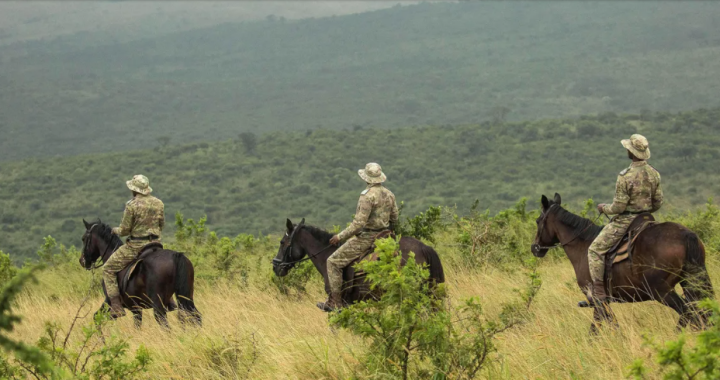

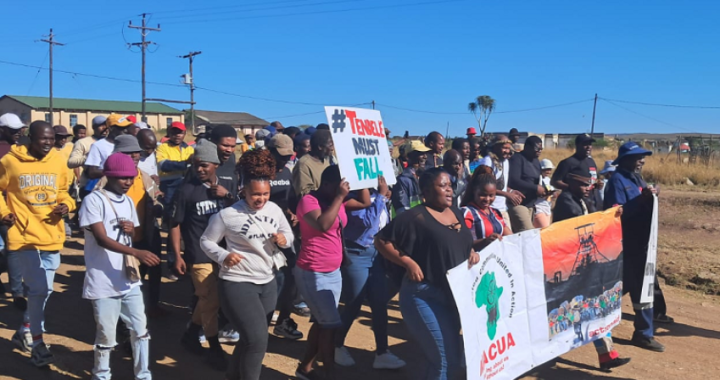
SABC: ‘New draft impact report for Tendele Coal Mine is misleading’

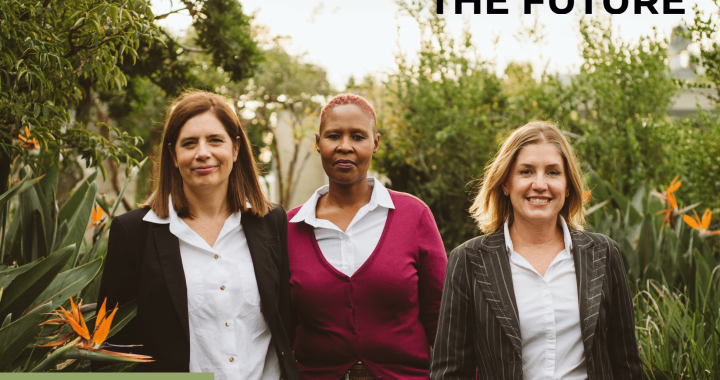
All Rise wins Mail and Guardian “Greening the Future” award.
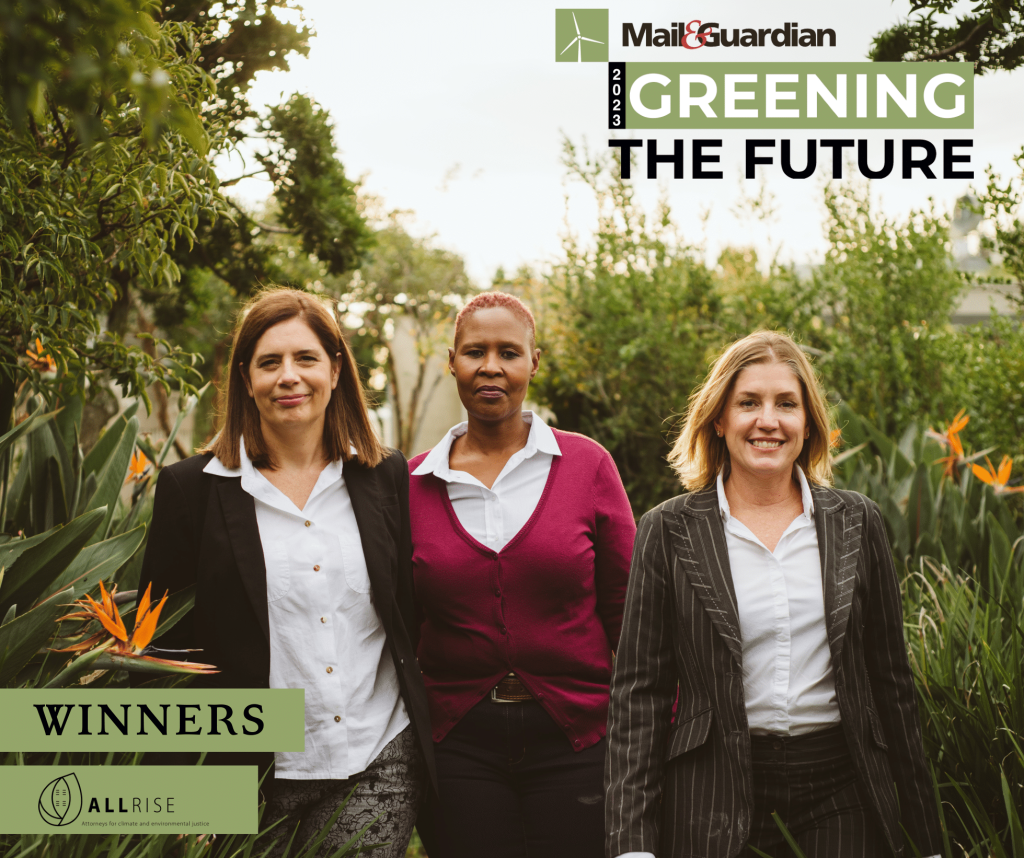
All Rise is honoured to the receive the Mail and Guardian “Greening the Future” award in the mining category.
Thank you for this recognition.
Daily Maverick: When you drive from Mfolozi to Mtubatuba, you can smell the sadness in the air
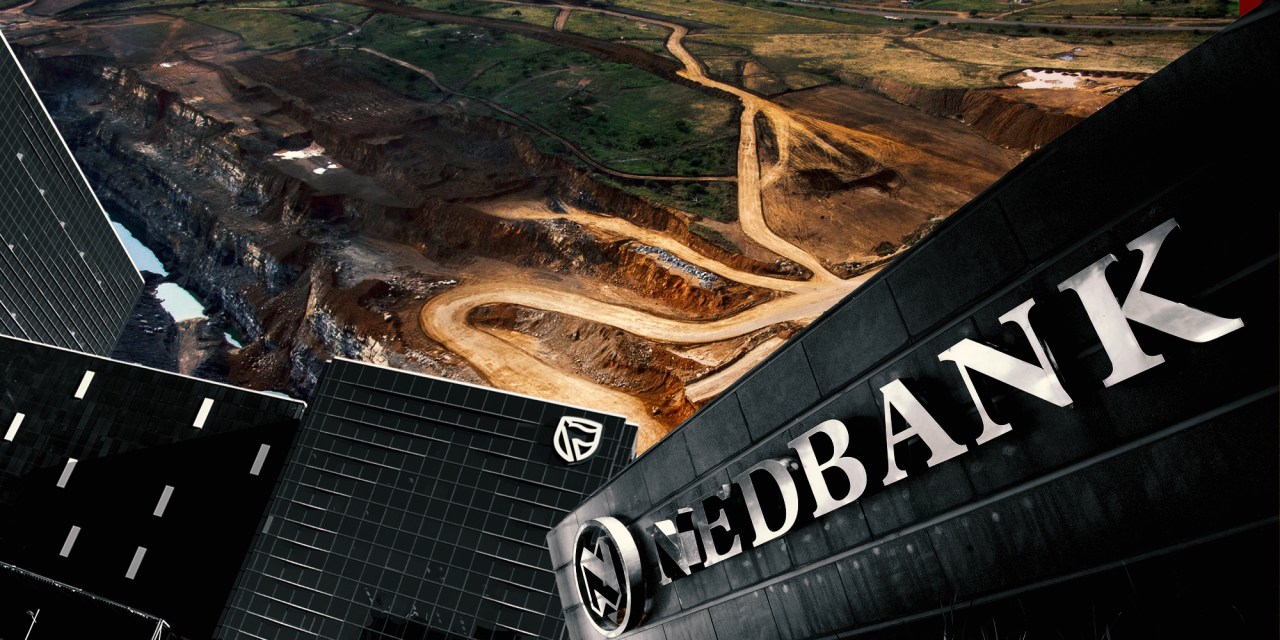

Daily Maverick: Tendele Coal Mining sends in the bulldozers in rural KZN before crucial high court interdict ruling


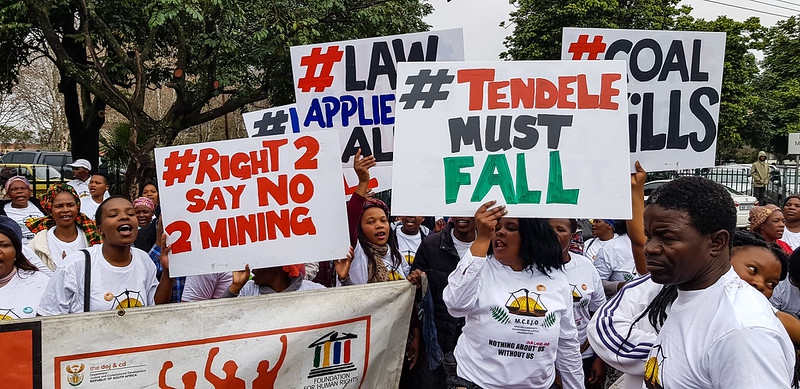

Daily Maverick: KZN rural residents beg high court to save their homes and livelihoods and rein in rampant Tendele coal mining


Expert report uncovers ‘hidden mental trauma’ of opencast coal mining in rural KwaZulu-Natal | Daily Maverick
‘Those who witnessed the (grave exhumation) process said that it was horrifying. Some saw semi-decomposed bodies removed, while others reported diggers plunging pickaxes into the graves and returning with bones stuck on the picks. One resident said that he saw the skull of his loved one attached to the end of the pickaxe.’ — Dr Garret Barnwell.


Psychological Report released highlighting the mental health harm to communities living next to open-cast coal mine
On 25 October 2022, we held a webinar which released the report entitled ‘Everything for Dust: the Collective Trauma of Opencast Coal Mining on Residents in Somkhele, KwaZulu-Natal’, with the content of the report as well as the line-up of speakers, attracting participants from South Africa and around the world.
When we began working with our clients on the border of Tendele Coal mine in northern KwaZulu-Natal in 2016, we could not help but notice their extreme feeling of hopelessness and fear. A sense of brokenness prevailed. There was, and continues to be, a desperate need for awareness of and assistance given to those in psychological need. In many areas of the country worldwide, there have been reports and discussions about the physical impacts of coal mining. What has been less dealt with, and not much at all in South Africa is the psychological impact of coal mining on mining-impacted communities.
We can all acknowledge that during the turmoil of the Covid pandemic, we realised how little mental health had been factored into the lockdown plans until the psychological repercussions of being locked into our homes, cut off from social connections, and living in fear had on people became very clear and impossible to ignore. It was something we all felt personally. And we began talking about it. Perhaps the one positive outcome of Covid was the potential for better engagement around mental health.
While we at ALL RISE knew that an assessment of our clients’ mental health was needed to ascertain what could be done to help them, Dr Barnwell’s findings were worse than we expected.
Section 24 of the SA Constitution speaks to our right to an environment that is not harmful to our health or well-being. This includes our mental health and well-being. In reading the findings of Dr Garret Barnwell, it is essential to also keep in mind that everyone has inherent dignity and the right to have their dignity respected and protected in terms of Section 10 of the Constitution. In terms of section 11, everyone has the right to life. There are many more human rights in the Bill of Rights that intersect with mental health; none are more so highlighted than in the report we are about to discuss.
Dr Garret Barnwell, Dr Dineo Skosana, Dr Asanda Benya and Dr Michael Edelstein presented on loss, psycho-social impact, the cultural significance of burial in the Zulu culture, environmental harm, and they all agreed that the impacts of mining on communities are extremely harmful, on-going and collective. Dr Barnwell’s report was specific to the people he interviewed and covered the historical and current trauma that the participants had and continue to experience due to their proximity to open-cast coal mining. One of the causes of the mental distress discussed in detail during the webinar was institutional betrayal, where those who are responsible for protecting communities (e.g., Tendele mine, government, traditional leadership and local authorities) are perceived as perpetrating wrongdoings, neglecting or scapegoating those who raise complaints and are perceived as not responding appropriately to the (chronic) traumatic and stressful incidents.
Ironically, while the findings of institutional betrayal and related trauma were being discussed, real-time examples were taking place on the Q&A forum online (although only visible to the speakers). About 6 of the webinar participants from Tendele mine, mine unions, traditional leadership and the Zululand Anthracite Colliery were sending a slew of messages – making it clear that reports and conversations that do not support a pro-mining narrative would not be tolerated. Not one expressed any concern for the well-being of the people who participated in the report. One person accused the community person who presented in the webinar of not being from the community and of lying.
In commenting on Dr Barnwell’s report, Dr Skosana referred to her research in the same community – the cultural significance of graves and the horror that occurs when deceased loved ones are exhumed and reburied during relocation processes. Dr Benya spoke about her research done in relation to mines (including Tendele), violence and gender – with women being so significantly burdened. Dr Edelstein’s fifty-year career in psycho-social impacts, including his report on Somkhele in 2018, brought the discussion together and concluded with the high praise of All Rise as being ‘out in front’ in the field of psycho-social impact assessments.
Without having ever had any of these great intellectuals in a virtual room together before, it was amazing to hear how their findings reflected each other’s and how they responded in unison to questions put to them.
A very emotional presentation by a community member who shared her real experiences of the trauma she and her family have experienced living on the boundary of Tendele coal mine hammered home the reality of Dr Barwell’s findings. The community member referred to herself with a made-up name to protect her identity for fear of reprisal. The murder of Fikile Ntshangase two years ago is never far from our minds.
We are enormously grateful to Dr Garret Barnwell for his in-depth study, sensitive approach to our clients, and highly professional manner. His report, with its hard-hitting truths, is the starting point for the conversation that must continue about the impact of mining on the mental health of mining-impacted communities. Indeed, as All Rise, we hope that the findings of this study bring us closer to securing justice for the community in which the study was done and bring much-needed awareness to the deficiencies in our healthcare systems and environmental management systems that need to be addressed.
On a side note, there was something positive (and ancillary) that Dr Barnwell expressed after his study, which we, as lawyers, did not anticipate. He observed that All Rise plays a fundamental role in healing the psychological wounds of its clients. Why? Because if collective trauma is associated with ongoing transgressions of human rights, then justice is essential to psychological well-being, and access to justice is something that we have provided. Given the ongoing hardships our clients face, this was good to know.
We thank each speaker for taking time out of their busy schedules to be with us on the panel, adding their own research or story, insight, and experience. We sincerely thank those who took part in the psychological study and were willing to share their experiences to raise awareness of this critical but often neglected issue of mental health.
- Dr Barnwell’s report is uploaded to our All Rise website and may be accessed here.
The Webinar recording may be accessed here.

August Newsletter: The Start Of Women’s Month Brings Good News!

Kirsten Youens was awarded third place in the category of outstanding human rights activist, social justice activist, and pro bono woman lawyer at the Woza Africa Awards recently.
WOZA AWARDS are annually presented to women lawyers in Africa in recognition of their outstanding dedication, achievements and contribution to the profession, whether it be services, legal education, human rights or the pro bono sector.
More good news is the rallying of the social justice sector in support of ALL RISE against spurious attacks made against us by the respondents in the Tendele review case. In an extraordinary show of public solidarity, 38 civil society organisations supported a call on the National Union of Mineworkers, Mpukunyoni Traditional Authority, Mpukunyoni Community Mining Forum, and the Association of Mineworkers and Construction Union and their representative attorney, Dennis Sibuyi, to:
– Respect the 4 May Pretoria High Court ruling that Tendele Coal Mining’s 2013 application for a mining right (to expand its Somkhele operations) failed to comply with the law and that the decision of officials in the Dept. of Minerals and Energy to award that right was invalid;
– Respect the right of the Mpukunyoni people to assert their constitutional rights without fear of reprisal; and
– Respect the right of ALL RISE to act without fear of harassment, intimidation and defamation.
The 38 organisations’ letter follows a 17 May 2022 statement titled “Mpukunyoni Community calls on All Rise and their funders to account to the community for their efforts to close Tendele Mine”, which attacks All Rise, demanding to know the source of its funding, accusing it of wanting to close the mine and stating that All Rise’s actions are “tantamount to a gross human rights violation”.
All Rise is genuinely humbled by the support and thanks every single organisation that signed this letter. An attack on one is an attack on all.
In more sombre news, the applications for coal mining or prospecting around the Hluhluwe-iMfolozi Park are increasing. These include:
- Prospecting activities proposed by Imvukuzane in the Fuleni Reserve.
- The current and future mining operations of ZAC located northwest and west of Imvukuzane’s proposed prospecting area, and which fall in the five traditional authority areas of Zungu, Matheni, Mlaba, Mandlakazi and Ximba; the iMfolozi catchment; and on the northern and western boundaries of the Hluhluwe-iMfolozi Park.
- The current and future Somkhele mining operations of Tendele Coal Mining (Pty) Ltd in the Mpukunyoni Traditional Authority area and the iMfolozi and other catchments; and on the eastern boundary of the Hluhluwe-iMfolozi Park, and immediately north of the Imvukuzane prospecting area.
- The other current prospecting applications by Yengo Resources (Pty) Ltd) in the Ximba Traditional Authority area on the southwestern boundaries of the Hluhluwe-iMfolozi Park; by Tendele Coal Mining (Pty) Ltd in the Mpukunyoni Traditional authority on the eastern boundaries of the Hluhluwe-iMfolozi Park and by Raycom Resources Pty Ltd, southwest of the Imvukuzane prosecting area and the Hluhluwe-iMfolozi Park.
- The previous prospecting activities already conducted by ZAC in the same area that Yengo is now proposing to prospect; by Ibutho Legacy (Pty) Ltd in the same prospecting area that Imvukuzane is now proposing to prospect; and by Tendele in the same area for which it is again applying for a prospecting right.
- The mining rights held by Mbila Resources (Pty) Ltd for the Msebe Opencast Anthracite Mine and Mbila Underground Mine both east of Nongoma, also in the Zululand District Municipal area.
The communities who live in these areas are our clients as members of the community organisation we represent, MCEJO. Currently, we are working with the Fuleni community, representing them and other organisations in opposing the prospecting application over their land.
We continue to represent the Somkhele MCEJO community in many aspects. As Tendele has begun a new Scoping and EIA process (as per the requirements of the May judgment) in the three villages it plans to mine, one of our key focus areas is assisting our community and NPO clients in participating in this process. There is also an appeal against the granting of Tendele’s water use licence waiting for a hearing with the Water Tribunal.
Yet another unfortunate decision by government on 8 July 2022 was the rejection of several appeals to the Environmental Authorisation allowing for the clearing of 8000 hectares of indigenous bush for the Musina-Makhado Special Economic Zone ‘mega city’ project in Limpopo. The rejection of the appeals, collated by a loose coalition of social movements and interested and affected parties, including those involved with activist research and support for people in Limpopo, has been met with the coalition’s profound disillusionment as to the agency’s endorsement of the flawed EIA process. All Rise submitted an appeal in collaboration with CALS that detailed the flaws of the EIA process and the project as a whole. We are now discussing collaborating with the coalition to take this decision on review.
Ending on a good note, All Rise continues to provide workshops to communities on the EIA regulations and how to meaningfully participate in the EIA processes. In the next month or two, we are also rolling out some workshops on climate justice and look forward to sharing that with you.
During Women’s Month, we will introduce you to each member of our amazing all-women board of directors, so keep an eye on our social media platforms.
We wish you a happy August!
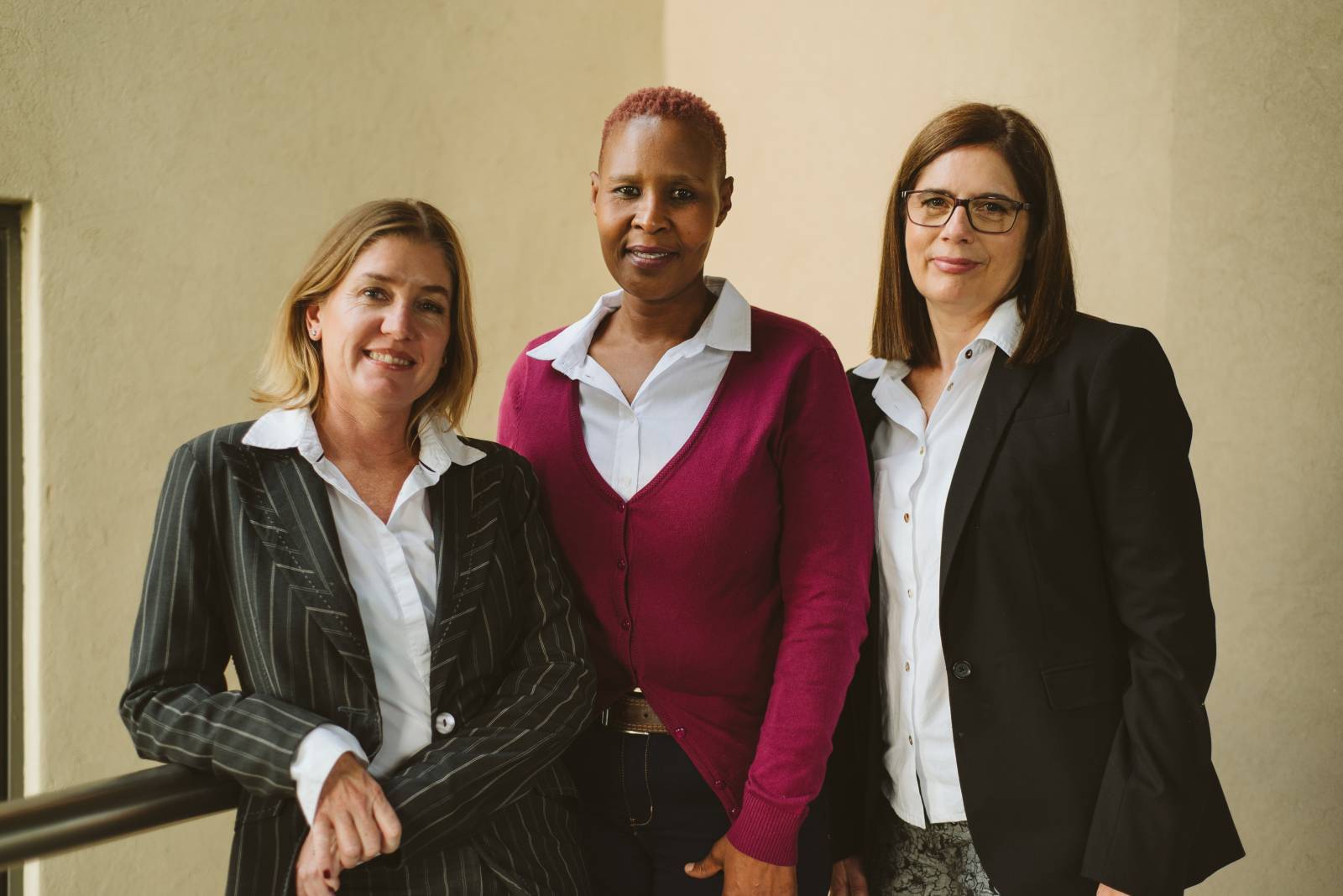
Kirsten, Janice and Lihle
**As a non-profit clinic, we need funding to do our work. If you would like to support us, we would be very grateful! Head to this link to donate: https://allrise.org.za/donations/